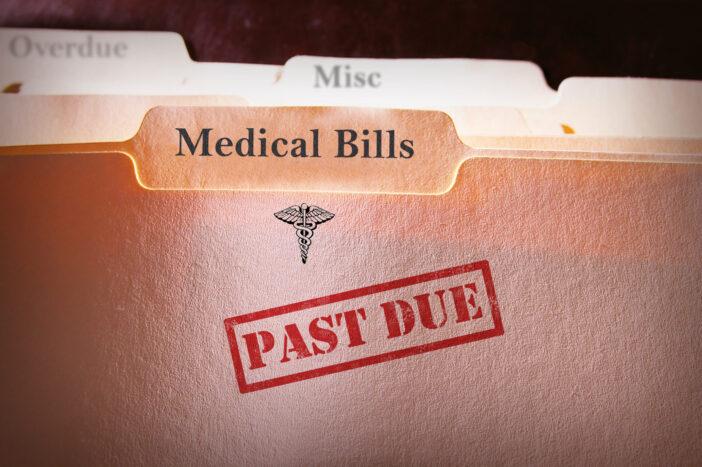
Medical debt can quickly spiral out of control, leaving even financially responsible Missourians struggling to stay afloat. Whether caused by an unexpected medical emergency, a long-term illness, or insurance gaps, these expenses can overwhelm households and make it difficult to cover everyday costs. Fortunately, bankruptcy laws in Missouri offer several paths to relief.
The financial debt specialists at Debt Doctors of Missouri are here to help you understand how medical debt fits into the bankruptcy process. Contact us today so our team can help you make informed decisions about your financial future and regain control over your life.
Understanding Medical Debt in Missouri
Medical debt is one of the leading causes of financial distress for families across Missouri. Even with health insurance, unexpected emergencies, surgeries, or long-term treatments can leave patients with large out-of-pocket expenses. Over time, these bills can accumulate, especially when combined with other household costs like rent, food, and transportation.
In Missouri, medical debt collection is regulated by both federal and state laws. The Fair Debt Collection Practices Act (FDCPA) protects consumers from harassment, false statements, or unfair collection tactics. Missouri law also limits the time a creditor can sue to collect unpaid medical bills, typically within five years.
Recent updates to federal credit reporting rules have also brought some relief to patients struggling with medical debt. As of 2025, most medical debt under $500 is no longer reported to credit bureaus, and many paid medical collections are being removed from credit reports entirely.
This change helps Missourians maintain better credit scores even after experiencing medical financial hardship.
Can Medical Debt Be Discharged Through Bankruptcy?
Medical debt is considered unsecured debt, which means it is not backed by collateral like a home or car. Because of this classification, medical bills can often be discharged through bankruptcy. However, the type of bankruptcy you file determines how that debt is treated.
Normally, filing for bankruptcy in Missouri involves filing under Chapter 7, Chapter 11, or Chapter 13.
Chapter 7
Chapter 7 bankruptcy, also known as liquidation bankruptcy, can completely eliminate medical debt for those who qualify. To file, you must pass a means test that compares your income to Missouri’s median income. If you qualify, most unsecured debts, including medical bills, credit cards, and personal loans, can be wiped out. This process usually takes about three to four months.
Chapter 11
Chapter 11 bankruptcy is more complex and is typically used by businesses or individuals with very high levels of debt. For medical professionals, small business owners, or those with substantial medical and business-related debts, Chapter 11 can provide a path to reorganize financial obligations while keeping assets intact.
Chapter 13
Chapter 13 bankruptcy allows individuals to restructure their debts into a three- to five-year repayment plan. This type of bankruptcy is ideal for people with steady income who do not qualify for Chapter 7 but still need relief from medical bills. Once the repayment plan is complete, remaining eligible medical debts are discharged.
Benefits of Bankruptcy for Medical Debt Relief
Filing for bankruptcy can provide immediate relief from medical debt collection efforts. As soon as your case is filed, an automatic stay goes into effect, stopping creditors from contacting you, suing you, or garnishing your wages.
Bankruptcy can also help you:
- Eliminate or reduce unsecured debts such as medical bills and credit cards
- Protect essential assets like your home, car, and retirement accounts
- Prevent utility shut offs or evictions caused by unpaid debts
- Rebuild your financial future without overwhelming medical expenses
Filing for bankruptcy is not just about eliminating debt. It is about creating a fresh financial start and restoring peace of mind.
How to Qualify for Bankruptcy Due to Medical Debt in Missouri
To qualify for medical debt bankruptcy in Missouri, you must meet certain income and financial requirements. Chapter 7 filers must pass the means test, which measures household income against the state median. If your income is too high for Chapter 7, Chapter 13 may still offer a viable alternative by allowing you to repay part of your medical debt over time.
Other factors considered during the filing process include the total amount of debt, property ownership, and your ability to maintain monthly living expenses. Each case is unique, so speaking with a local bankruptcy attorney can help determine the best path forward.
If you are unsure whether bankruptcy is right for your situation, the experienced financial professionals at Debt Doctors of Missouri can help you make the right decision about how to handle your debt and put financial security back in your hands.
Why Choose Debt Doctors of Missouri for Medical Debt Bankruptcy?
Debt Doctors of Missouri has extensive experience helping individuals and families across Springfield and the surrounding areas overcome medical debt through bankruptcy. We offer low upfront filing costs, personalized guidance, and compassionate support from start to finish.
When you work with Debt Doctors of Missouri, you gain access to a team who understand how medical debt impacts financial stability. We will help you evaluate your eligibility for Chapter 7, 11, or 13 bankruptcy and ensure all required paperwork is completed accurately.
If medical bills are overwhelming your budget, contact us at (417) 466-3328. Relief from medical debt may be closer than you think.